You know where money went—still feel behind
It’s not hard to produce a clean month-end picture anymore. The spreadsheet ties out, the bank app labels most merchants correctly, and the totals look “responsible” on paper. Then rent clears, a couple of annual renewals hit, and the credit card balance is higher than it felt on payday. Nothing is mysterious, which is almost the frustrating part. The tracking proves the story after the fact, but the gap shows up in timing—what left early, what stacked in the same week, what quietly repeated. The expectation forming is simple: if the system updated itself, maybe the decisions would, too.
In practice, the feeling of being behind usually survives because visibility isn’t the constraint; attention is. Most working households can already explain the top five categories. The slip happens in the “medium” expenses—$60 here, $140 there—that don’t look like a lifestyle problem until three of them land before the next check. Manual tracking rarely fails at classification; it fails at making the trade-off unavoidable in the moment. That’s the gap a paid app claims to close, and it’s worth being specific about whether the problem is overspending, cash-flow timing, or just tolerance for constant check-ins.
Your first expectation: automation will change behavior
The first week with a paid app usually feels like relief. Transactions stream in without copy-paste, rules start learning, and the dashboard updates fast enough to check between meetings. It’s easy to assume that speed will translate into different choices—especially if the pitch is “real-time spending.” The constraint shows up quickly: automation reduces the work of recording, but it doesn’t create a new moment to decide. If the pull of convenience spending happens when you’re tired, rushed, or already mentally “done” with money for the day, the feed can be perfectly current and still irrelevant.
What does change is the friction around noticing. When the app turns “I’ll reconcile later” into a near-daily glance, some households catch problems earlier: duplicate charges, a subscription that reactivated, a bill that didn’t autopay. That’s measurable value, but it’s more like error prevention than behavior change. The fee question starts to hinge on whether those early catches actually stop a $200–$600 month from drifting, or whether the app just makes the drift easier to explain.
Reality check: categories are cleaner, decisions aren’t
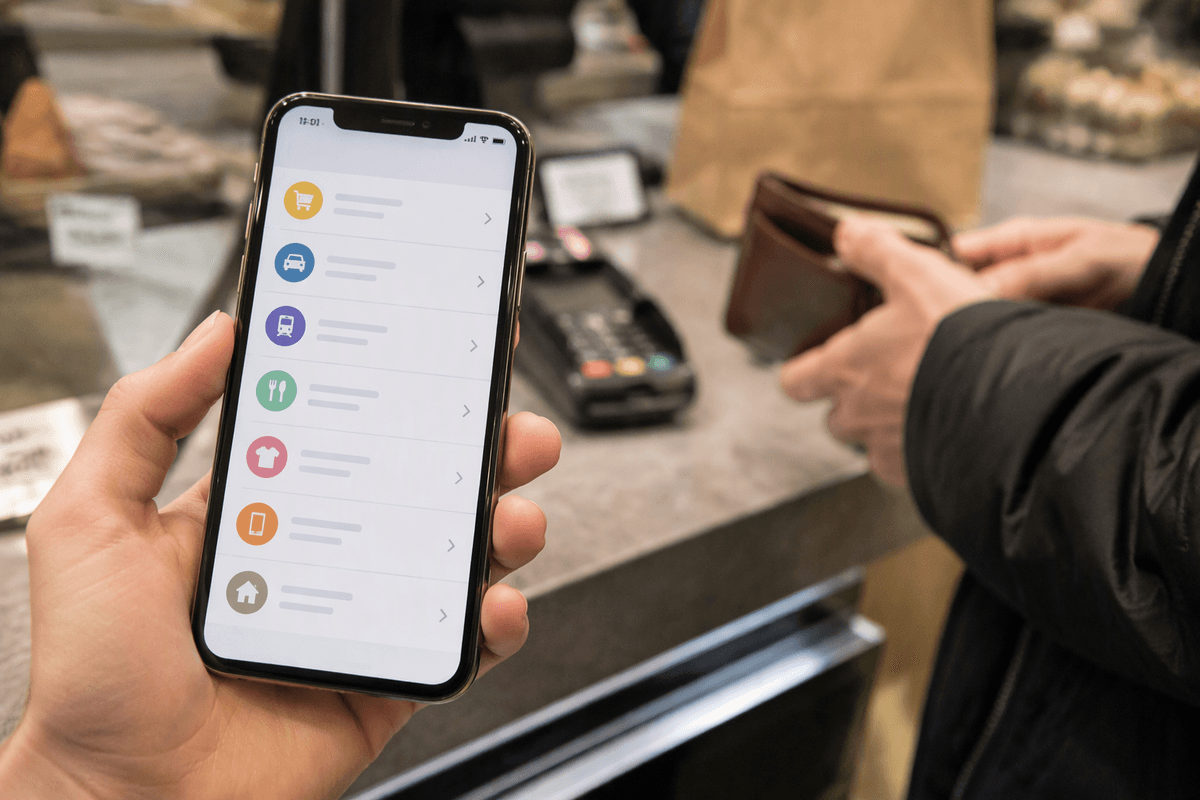
After the first couple of weeks, the categories usually look impressively “fixed.” Groceries stops swallowing pharmacy runs, the coffee shop stops showing up as “restaurants,” and refunds get netted out correctly. The data quality improves, and that can feel like progress because the reports finally match what it felt like you spent. But the pressure point doesn’t move much: the tough calls still happen before the transaction exists. When the app correctly tags “Home improvement” in real time, it’s still telling you about the purchase you already made, not negotiating whether it belonged in this pay period.
That’s why the clean-up phase can create a weird kind of overconfidence. The chart looks more precise, so it’s tempting to believe the plan is more controlled—even while the checking balance is still doing that mid-month dip. The constraint is timing: three “reasonable” categories can each be fine in isolation and still collide in the same week, especially with irregular costs like school fees, travel, or annual insurance. Apps get better at labeling those hits; they don’t automatically decide which one waits.
What matters here is whether the app forces a decision at the right moment, not whether it produces better labels. If the result is simply a cleaner post-mortem, the subscription is paying for clarity, not control—and clarity alone rarely cancels the next $300 surprise.
When alerts and envelopes prevent expensive slipups
The first time the app actually “earns” its fee is usually boring: a push alert that a bill is higher than normal, a subscription charge that slipped past email, a low-balance warning before a Friday autopay. Those are not insights; they’re interruptions at the only moment that matters—before the damage compounds. The constraint is timing. If you only reconcile on Sunday night, you can still be technically “on budget” and accidentally stack three medium charges right before rent. A $9 alert can prevent a $35 overdraft, a $29 late fee, or a $120 interest cycle.
Envelopes (or “targets” and “available to spend” bars) work when they’re treated like traffic lights, not historical charts. The practical win shows up in categories where overspending is mostly unintentional: dining out during busy weeks, gifts, kids’ activities, or home supplies that creep. If the envelope is red at 3 p.m., the decision shifts from “did we overspend?” to “what gets delayed?” That’s different from tracking, but it requires one uncomfortable rule: the app has to be checked before the purchase, even when it’s inconvenient.
Where it breaks is predictable too. If income timing is tight, envelopes can look “safe” while the checking account is not, and alerts can become noise if every week triggers one. The best fit is the household that doesn’t need motivation to save—just a guardrail that stops a normal week from turning into a costly one.
Cash-flow planning: where spreadsheets usually break
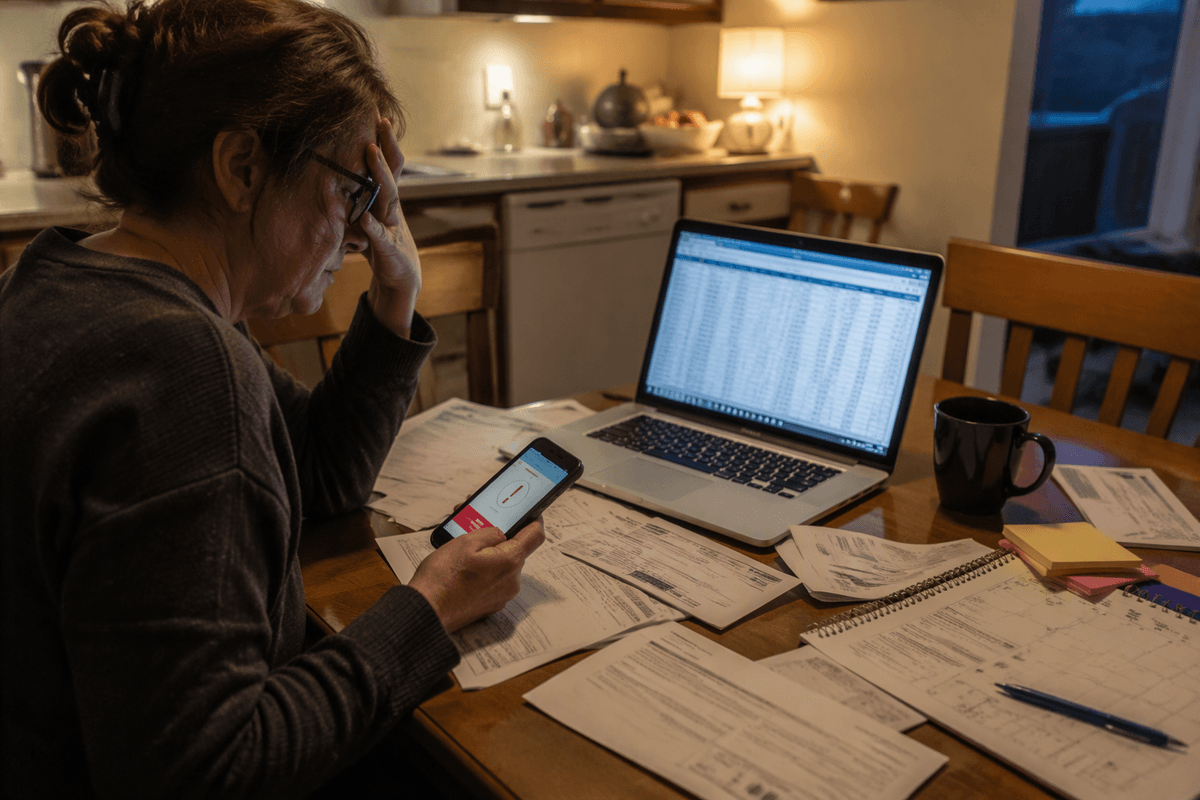
The moment the conversation shifts from “spending” to “making it to the next paycheck,” most spreadsheets start getting rebuilt in a hurry. The file that was perfect for month-end totals suddenly needs due dates, pending transactions, paycheck timing, and the awkward truth that a “budget” can look balanced while the checking account drops to $143 on Tuesday. The constraint isn’t math; it’s maintenance. One missed card swipe, one rescheduled bill, or one transfer that lands a day later, and the sheet becomes a confident plan built on last week’s reality.
That’s where apps can be meaningfully different—when they show upcoming bills and projected balances against the actual accounts you’ll pay from, not just category totals. The value shows up in boring weeks: a paycheck arrives Friday, insurance drafts Monday, the credit card autopay is Wednesday, and groceries need to happen in between. A decent cash-flow view forces the trade-off earlier: move the card payment date, pause extra principal, or cap variable spending before it turns into a timing problem.
Still, the same trap exists if the inputs aren’t trusted. If “pending” is ignored, transfers get mislabeled, or you float expenses on a credit card without planning the payoff week, the forecast becomes another clean dashboard that doesn’t prevent the dip. The difference is whether the tool reduces those update errors enough to keep the plan usable mid-month.
The hidden costs: setup, rules, and data sharing
The friction usually arrives right when the forecasting starts to feel useful: the app needs structure to stay accurate. That means initial account linking, then cleaning up transfers so they don’t look like “spending,” then building rules that won’t misfire when a merchant changes its descriptor. The constraint is time in small chunks. Twenty minutes to start can turn into three or four short sessions over two pay cycles, because edge cases only appear when real bills post. If two partners spend, getting categories consistent becomes another quiet project.
Then there’s the cost that doesn’t show up on a pricing page. Rules are brittle: one wrong auto-category can hide a leak for months, and a “helpful” rename can break reporting across accounts. Data sharing is the other trade-off. Most apps want read access to bank feeds, and some rely on third-party aggregators; even if nothing bad happens, it’s still another place your transaction history lives. The decision gets sharper when the fee is small but the setup and exposure are permanent.
Revised thinking: a quick worth-it decision test
By the time the rules stop breaking and the dashboard feels stable, the question usually narrows: is this preventing more pain than it creates? A quick test is to price the problem, not the feature. Take one normal month and total (1) avoidable fees and interest, (2) “surprise” subscriptions or duplicate charges you didn’t catch in time, and (3) the dollar value of one cash-flow mistake (moving money late, paying the card from the wrong account, delaying a bill). If that number reliably beats the annual app fee, the subscription is doing work.
Then add two constraints most people skip: will you check it before spending, and will you tolerate linked-account data sitting with another vendor? If either answer is no, keep the spreadsheet and spend the effort on one concrete change—bill date alignment, a smaller card limit, or a standing transfer that turns timing into a default.