Start with Kolkata realities
The first “stress-free” decision is admitting what Kolkata travel actually feels like: early alarms, a long ride to CCU, and traffic that doesn’t care about your boarding time. If your flight is at 6:30 a.m., the cheapest cab isn’t always the best deal—because one slow stretch near VIP Road can erase your buffer and your mood.
Start by counting your trip as “leave days,” not destination days. With 4–7 days, a place that looks close on a map can still burn time in transfers—especially if it needs a train plus a hill taxi, or a late-night arrival with limited transport. Pick destinations where the first and last day aren’t pure logistics, and keep one flexible slot for delays, not sightseeing.
Pick dates around weather and crowds
The first time we tried to “save leave” by flying out on a Friday night, it looked efficient—until CCU security queues and a delayed departure pushed our hotel check-in past midnight. Since then, I start the calendar the other way: what kind of weather can we tolerate, and what kind of crowd can we function in after a workweek?
For Kolkata-based trips, the cleanest trade-off is usually shoulder season. Peak holiday weeks (Durga Puja, year-end, long-weekend clusters) give you the most energy in the city—but the worst prices and the least forgiveness if something slips. Monsoon travel can still work, but only if you choose destinations where getting “stuck” isn’t catastrophic: fewer single-road hill stations, more places with frequent flights/trains and reliable local transport even in heavy rain.
If you have 4–7 days, aim for travel on a Tuesday/Wednesday if you can: flights and hotels often ease up, and you’ll feel the difference at the airport and at breakfast counters. If you can’t shift leave, then compensate with timing—take the first flight out (less delay ripple) but book a softer first day, and keep your return at least half a day before work resumes.
Lock tickets and stays early
The moment dates feel “good enough,” I stop browsing and start locking. From CCU, the cheapest-looking fare often vanishes by the time you’ve coordinated leave with your partner or friends—and the next jump isn’t ₹300, it’s ₹3,000. If you’re debating between a 6:30 a.m. flight and a 9:40 a.m. one, book first, optimize later: early flights tend to delay less, but they demand a tougher Kolkata-to-airport routine.
For trains, don’t treat availability like a suggestion—especially on long weekends. If you can’t get your preferred class, decide fast whether you’ll pay for an AC tier or switch the destination entirely; waiting usually leaves you with awkward timings that eat a full day. For stays, I bias toward “cancelable with breakfast” for the first two nights, then extend—because check-in chaos is common, and a flexible booking is cheaper than recovering from a bad location or a rigid policy.
Documents, money, and connectivity checklist
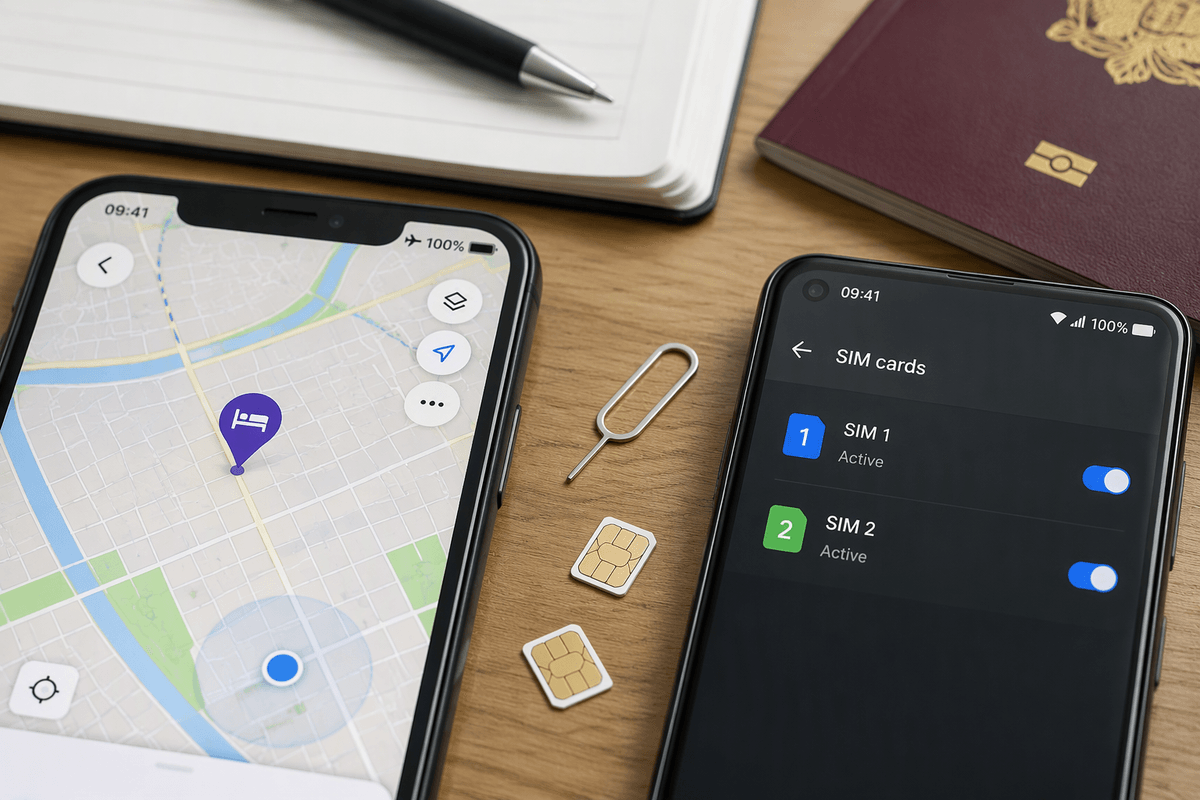
The first real friction usually shows up the night before—when someone says, “Did you save the tickets?” and the network decides to act up. I keep one shared note with three things that must work offline: booking confirmations (PNR/e-ticket numbers), hotel address + check-in policy, and a screenshot of ID for each person. For flights out of CCU, you can survive with digital proofs, but only if your phone isn’t at 4% and hunting signal; a power bank is as much a document as your Aadhaar.
Money is the next quiet failure point. UPI is great until you land somewhere with patchy data or a vendor who’s “cash only” after 9 p.m. My rule for a 4–7 day mid-range trip: split your buffer into three buckets—one card, one UPI, and ₹2,000–₹5,000 in small notes per person—because the ATM you’re counting on is often either empty or “server down” at the worst time. If you’re taking a taxi on arrival, pre-decide who pays and keep that amount reachable, not buried under luggage.
Connectivity is the final unlock. Download maps for the area, save the hotel pin, and keep at least one phone on roaming/dual SIM if your group uses different operators. It costs a little, but it buys you coordination when plans slip.
Pack smart for flights, trains, buses
The packing mistake we keep repeating is optimising for “everything we might need” instead of the first six hours: cab ride, terminal queue, boarding, and the scramble at the destination to find the hotel. For CCU departures, I now pack a single “top pocket” that never changes—ID, power bank, cable, meds, a pen, and one snack—because fishing through a full backpack at security is where time and patience leak. You’ll carry slightly more in-hand, but you’ll stop opening your main bag in public.
For flights, keep liquids and chargers easy to pull out, and don’t pack your jacket deep if you’re taking an early-morning plane that turns into an icebox mid-air. For trains and buses, the friction flips: the platform-to-coach dash and narrow aisles punish hard suitcases. A medium soft bag plus a small daypack works better than “one big trolley,” especially if your destination needs a last-mile shared cab or hill taxi. And if you’re doing mixed modes (flight + train, train + bus), pack like you’ll have to lift your own bag—because you probably will.
Smooth departures: airport and station routines
The night before an early CCU run, the temptation is to “just wake up earlier.” That’s how you end up bargaining with a cabbie at 4:45 a.m. with half a brain. We now decide two things by dinner: pickup time (not wake-up time) and the exact gate/terminal. The extra buffer feels wasteful until rain or a surprise diversion near VIP Road turns a 35-minute ride into 70.
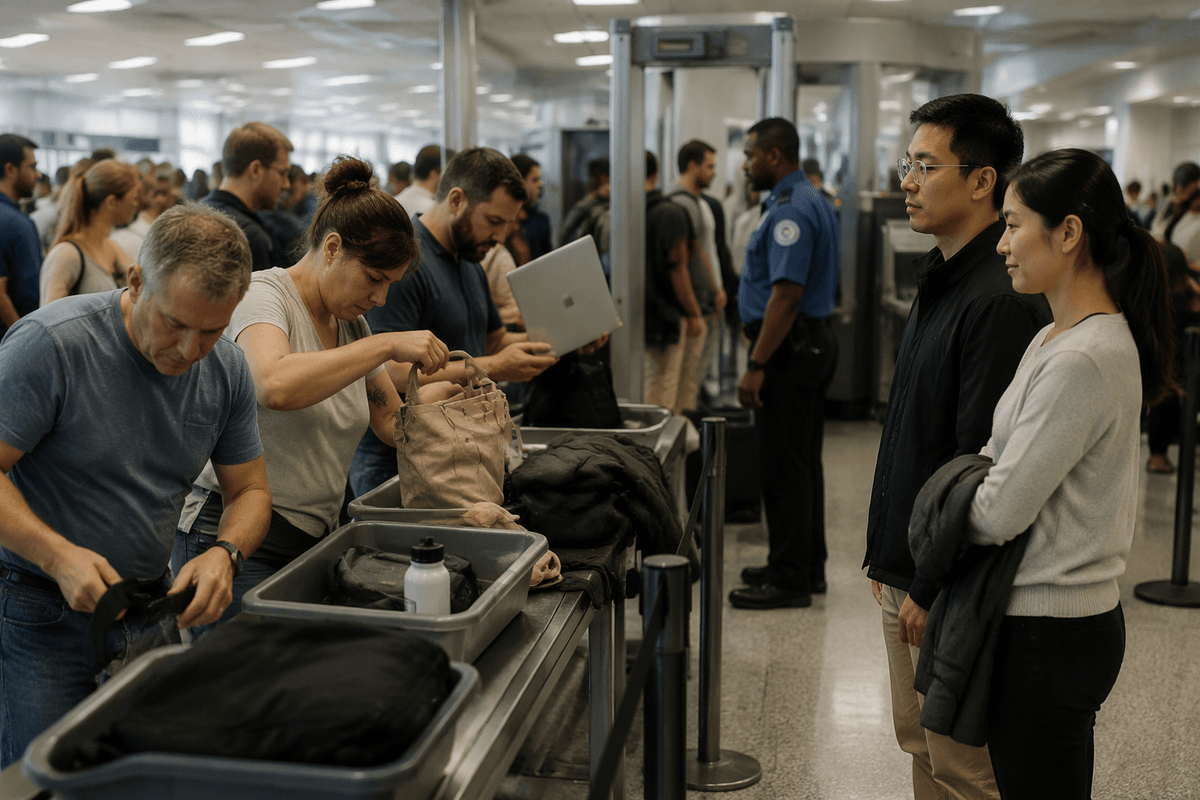
At the airport, the routine is boring on purpose: online check-in done, one person carries the folder phone (tickets/IDs/screenshots), and the other carries the liquids-and-chargers pouch. What doesn’t work is everyone reaching the scanner together with laptops buried and coins everywhere—CCU queues punish disorganisation more than they punish crowds. If you’re cutting it close, skip coffee until after security; the line moves in bursts, not fairly.
For trains, the rule flips: arrive earlier than you think, but keep luggage light enough to move fast. Platforms change, coach positions drift, and “we’ll find it” becomes a sprint with zero dignity—especially with a side bag plus trolley.
Arrive calm: buffers, backups, and flexibility
The most useful “stress-free” trick happens after you land: resist the urge to chase the itinerary immediately. We plan the first 2–3 hours as a buffer block—bag claim, a toilet break, water, and the one non-negotiable task (get to the stay). It costs you a sight or two on paper, but it saves the day when the flight is late or the taxi line is chaos.
Backups are what make buffers real. Keep one alternate route from airport/station to the hotel (prepaid booth vs app cab vs local counter), and one alternate plan for the first evening that works even if you check in late (a nearby café, room service, a short walk). What doesn’t work is booking a timed activity on arrival day—boats, safaris, “sunset points”—because one delay turns into argument math.
Finally, build flexibility into the return: aim to reach Kolkata with a half-day cushion before office, and treat the last night as recovery, not shopping. The calmest trips aren’t the fullest—they’re the ones with fewer tight connections and more graceful exits.