Why dandelion tea suddenly feels like a wellness staple
The first hint is usually logistical, not mystical: you make a mug at night, and by morning your jeans feel a touch looser and the scale looks friendlier. It’s easy to credit “detox,” especially when the routine came packaged as a simple social-media swap—dandelion tea instead of a second coffee, a cocktail, or a salty snack. But the early payoff people describe often matches everyday variables: less late-night sodium, a slightly earlier bedtime, or just drinking something warm and non-sugary for once. The effect can feel dramatic because bloating is inconsistent, and small shifts in fluid intake can show up fast.
Dandelion tea also fits the current wellness mood: it sounds herbal but purposeful, and it has a bitter edge that signals “working” even when you can’t measure what’s happening. In some situations it may increase urination, which can register as relief—lighter, less puffy, less “stuck.” The body’s water balance is sensitive; if thirst, cramps, or unusually frequent trips to the bathroom start tagging along, the story may be less about “toxins leaving” and more about hydration and electrolytes not quite keeping up.
What’s in dandelion tea that could matter
You notice it most when you rinse the mug: that faint, earthy bitterness clings in a way peppermint or chamomile doesn’t. That taste isn’t just “herbal vibes.” Dandelion tea is typically made from leaf, root, or a blend, and those parts don’t behave the same. Leaf-forward teas tend to be the ones people associate with more bathroom trips, while roasted root versions often drink more like a coffee substitute—still bitter, but sometimes less “drying” in day-to-day use.
What could matter here is less mysterious than the marketing: bitter compounds that can nudge digestive sensations, plus plant antioxidants that show up in lab studies more clearly than in real-life results. Some blends also contribute potassium, which people sometimes interpret as “flushing,” even though your overall sodium intake and plain-water habits can overpower any small tea effect. The tricky part is that these signals—thirst, lighter bloating, a rumblier stomach—can look like progress while still being inconsistent from one week to the next.
Detox claims meet the body’s actual cleanup systems
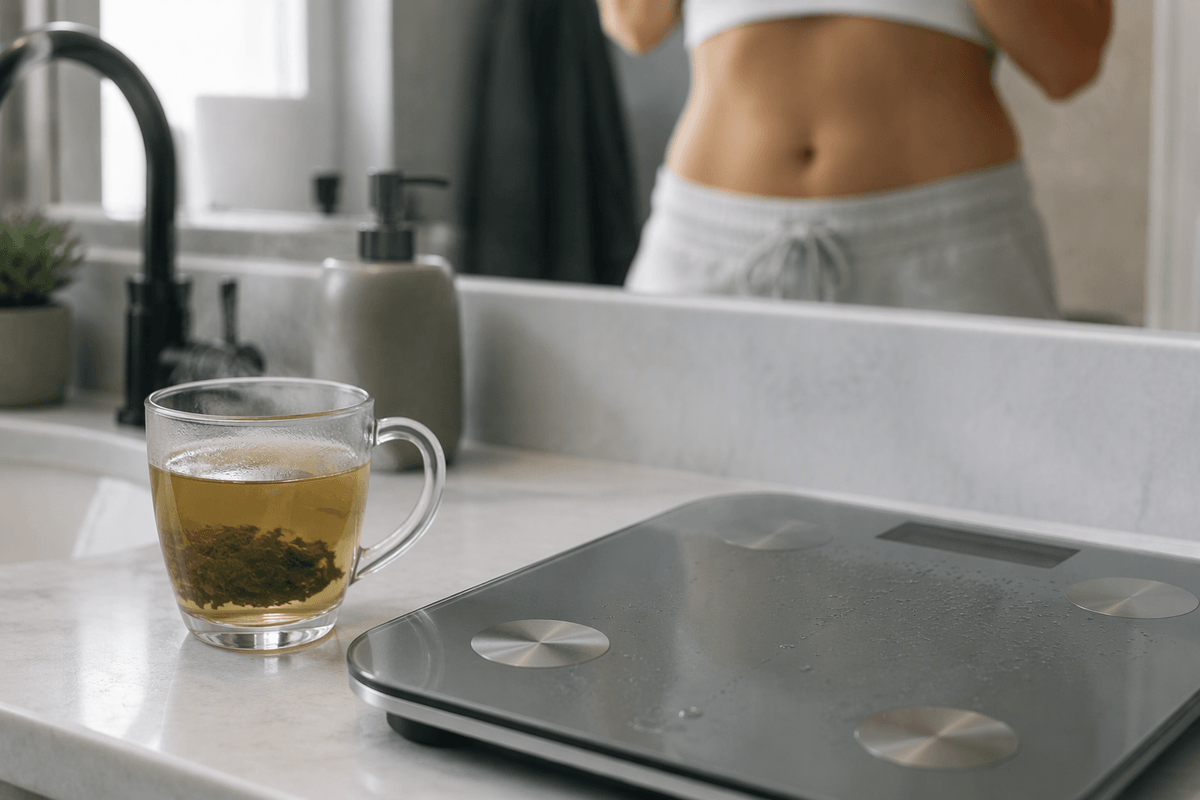
A couple extra bathroom trips can make the whole day feel “cleaner,” especially if your stomach sits flatter after a salty dinner. But that sensation doesn’t map neatly onto the way your body actually clears waste. Most of the heavy lifting is handled continuously by the liver and kidneys, and it doesn’t switch on because you added a bitter tea. What changes fast is water handling: you drink a warm liquid, you may urinate a bit more, and you may see a quick shift in puffiness that looks like proof.
The misunderstanding is that “detox” gets treated like a single event you can feel leaving. In reality, if something is happening, it often shows up as ordinary signals: more frequent urination, darker urine when you’re not keeping up with fluids, a dry mouth, or mild leg cramps when electrolytes are lagging. If the pattern feels inconsistent—great one day, drained the next—that’s often a hydration-and-routine story, not “toxins” finally moving out.
Diuretic effects: the benefits people feel and why
The tell is usually mundane: mid-afternoon you realize you’ve refilled your water bottle twice, and you’re still making extra trips to the bathroom. For a lot of people, that’s the “it’s working” moment—less ring tightness, less face puffiness, a flatter-feeling stomach. But that relief often tracks with water shifting, not fat loss, and it can be amplified by what the tea replaced. If dandelion tea nudged you away from a salty snack, a second coffee, or a couple drinks, the combined effect can feel stronger than the herb alone.
When the diuretic pull is mild, it may simply unmask how sensitive your body is to sodium, sleep, and inconsistent hydration. The limitation is that the same process that feels like “de-bloating” can tip into feeling wrung out—dry mouth, a headachy slump, darker urine, or light cramps that show up the next day. That’s often the point where “toxins leaving” stops fitting, and fluid-and-electrolyte balance starts explaining more.
What research says about blood sugar and cholesterol
Somewhere around week two, the focus often shifts from “I’m peeing more” to “maybe this is helping my labs,” especially if you’ve been pairing the tea with fewer sweet drinks or lighter late-night eating. That’s where the hype can get slippery. A calmer morning, fewer crashes, or a slightly less snacky afternoon can feel like blood-sugar control, even when the biggest driver is the routine change that came with the mug.
Research gets cited a lot here, but most of the stronger signals come from lab and animal work, not large, long human trials. Dandelion contains compounds (including fibers like inulin in the root and various antioxidants) that, in theory, could nudge glucose handling or lipid markers. In real life, the effect—if it shows up—may be modest and inconsistent, and it’s easy to mistake water-weight shifts or reduced alcohol/sugar intake for “cholesterol dropping.” If thirst, shakiness, or unusual fatigue starts clustering around your tea habit, it’s a sign to treat the pattern cautiously rather than assuming it’s therapeutic.
Gut comfort, bitterness, and the surprise backlash

The bitterness is often where people start reading “results” into sensations. A few sips and your stomach may feel like it’s waking up—more gurgling, a sooner urge to use the bathroom, a lighter feeling after a heavy meal. For some, that’s a welcome change after weeks of sluggishness or salty takeout. For others it’s the opposite: the tea sits sharp, brings on heartburn-ish warmth, or leaves a dry, slightly nauseated edge that wasn’t there with gentler herbal blends. The same cup can feel settling one day and irritating the next, especially when it’s taken on an empty stomach.
The backlash usually shows up as confusion: “I thought this was for bloating—why do I feel more bloated?” Bitter compounds can make digestion feel more active, and root-based teas sometimes bring in fermentable fibers that can increase gas in some people. Add the diuretic angle—less fluid in the gut, more thirst—and cramps or tightness can get misread as “toxins moving.” If the discomfort keeps repeating, it’s less a detox storyline and more a sign your timing, dose, and overall hydration pattern aren’t matching what your gut tolerates.
Interactions and caution zones people don’t anticipate
It’s often a different kind of “working” that raises the first flag: you stand up quickly and feel a brief head-rush, or you notice you’re thirstier than usual even though you’ve been “doing something healthy.” Dandelion tea can layer on top of whatever else is already pushing fluid around—salty meals, alcohol, caffeine, workouts, a hot day—and that stacking effect is easy to miss because the tea itself feels gentle. If your urination pattern changes a lot, or you start getting cramps or a dry-mouth buzz that lingers, it may be less about cleansing and more about a slightly over-corrected fluid-and-electrolyte balance.
The more overlooked issue is interaction, not intensity. People taking water pills, blood-pressure meds, lithium, or diabetes medications can run into bigger swings than they expected, especially with daily use. Blood thinners and other meds processed through the liver get mentioned in caution lists too, even when the real-world risk is uncertain. And if you’re allergic to ragweed-type plants, “just an herbal tea” can still surprise you. If the same symptoms keep showing up after the mug, it’s worth treating it as a compatibility problem, not a detox milestone.
A revised way to interpret the hype responsibly
By the third refill of the day, the “detox” story can start to feel oddly literal: lighter ankles, a flatter stomach, but also that faint cotton-mouth feeling that wasn’t part of the promise. That’s a more useful lens for the hype—dandelion tea may shift fluids and nudge digestion in ways you can actually notice, especially when it replaces alcohol, extra caffeine, or late salty food. The catch is that the sensations people call “clean” often line up with ordinary inputs: water in, sodium out, sleep a bit better, fewer heavy add-ons.
A more responsible interpretation is to treat the tea as a small lever, not a reset button. If your main “results” are more urination and a quicker drop in puffiness, read that as fluid balance—not fat loss, and not toxins finally leaving. If the pattern starts drifting toward thirst, cramps, dizziness, heartburn, or repeat bathroom urgency, that’s not failure; it’s feedback that the routine (or your medications) may not be a great match.