Bologna Offers More Than Italy’s Famous Cities
I hesitated over Bologna on the rail map the way you probably are now: it looks so close to Florence that it feels “optional,” yet adding a stop still means another hotel check-in, another set of train times, and less slack if Rome runs long (it usually does). If your trip is already packed, Bologna won’t magically create more hours—but it can change the texture of the days you do have.
What Bologna offers that Rome and Florence often don’t is a calmer, more livable rhythm without sacrificing depth. You can get a full, satisfying day of churches, porticoes, and people-watching without spending half of it in museum lines or navigating tour-group bottlenecks. The city is compact enough to feel efficient, but not so tiny that you run out of things to do after lunch. Still, if your priority is marquee art—Uffizi-level hits—Bologna’s payoff is subtler and can feel underwhelming if you measure it by “famous sights per hour.”
The strongest argument is food, but not in a novelty way. Bologna rewards the kind of traveler who wants repeatable excellence—simple places that are reliably good—rather than one booked-out “must-try” dinner that dictates your whole evening. That said, the closer you stick to the most obvious central streets at peak times, the easier it is to overpay for something merely fine, which can make the detour feel less justified.
A Historic Center Made for Wandering
The first time I tried to “do Bologna efficiently,” it immediately pushed back—in a good way. The historic center is built for wandering under the porticoes, where you can keep moving even when it’s raining or midday heat makes open plazas feel harsh, but you’ll zigzag more than you plan.
From Piazza Maggiore to the Quadrilatero lanes, the payoff is how quickly scenes change: students, market errands, then suddenly a quiet church doorway. It works best on foot; taxis and buses help less here, and rolling luggage over uneven stone is a nuisance if you’re only staying one night.
The Two Towers area is the main pinch point: the atmosphere is great, yet the closer you get at peak hours, the more it starts to feel like Florence-lite in terms of crowd flow. Go early, or accept that “just a short stroll” can turn into slow shuffling.
Italy’s Best Food City
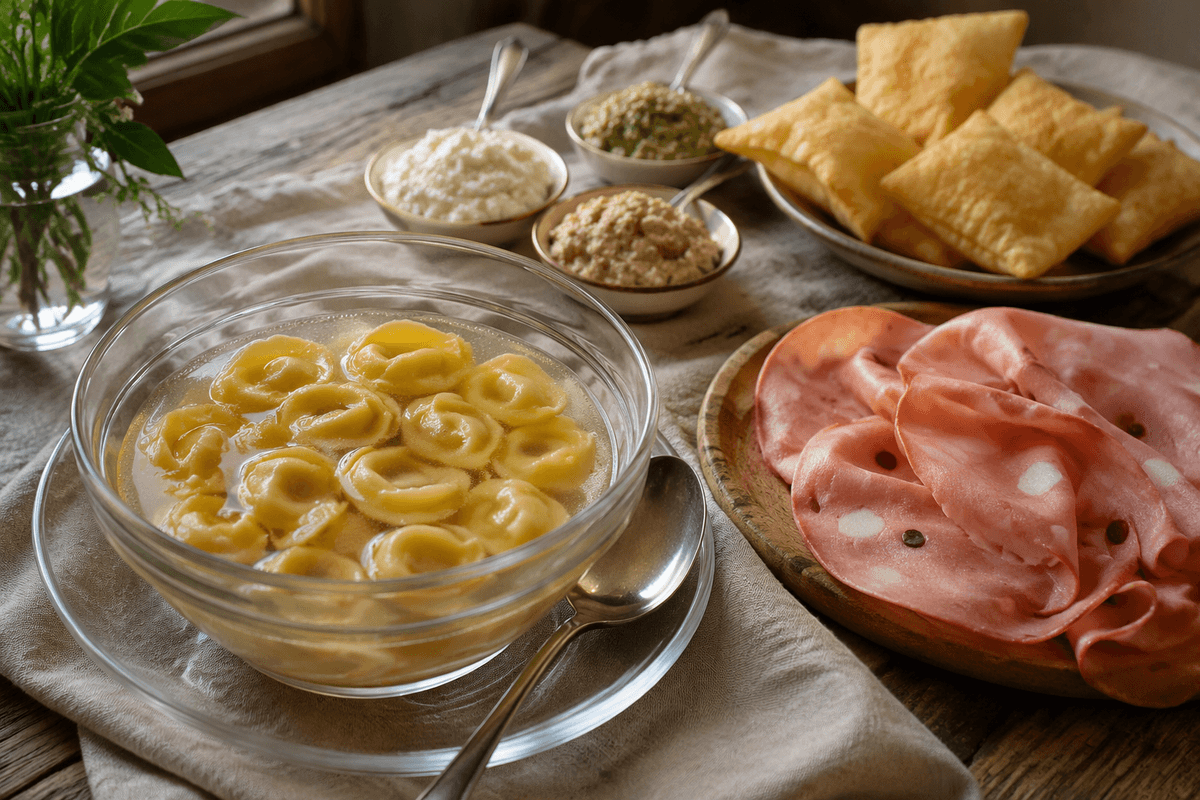
The moment Bologna won me over was a lunch that wasn’t “planned” at all: a bowl of tagliatelle al ragù in a small trattoria where nobody was performing for tourists. That’s the city’s real edge—everyday dishes (tortellini in brodo, mortadella, crescentine) done with a seriousness you feel immediately. Compared with Rome and Florence, it’s easier to eat extremely well without turning your day into a reservation strategy, but you do need to leave the most obvious streets if you don’t want to pay extra for something merely adequate.
The limiting factor is timing. Many kitchens still keep traditional hours, and Sundays can be hit-or-miss for market browsing, so “we’ll just grab something later” doesn’t always work. If you only have one night, book dinner early and accept that a longer, slower meal may replace a sunset climb or extra museum time—worth it if food is the point, frustrating if it isn’t.
A More Authentic, Livable Italian Experience
One evening, I realized I hadn’t checked my map in hours—not because Bologna is a maze, but because it’s forgiving. The center has enough local routine (students cutting through arcades, people doing actual errands, aperitivo that isn’t a spectacle) that you can participate without feeling like you’re interrupting someone else’s trip. Compared with Florence, the “main drag” energy fades faster once you’re a few blocks out, which makes spontaneous choices—another glass of Pignoletto, a second round of crescentine—feel low-stakes. The catch is that this subtlety can read as “quiet” if you’re chasing constant wow-moments.
Practically, Bologna’s livability shows up in the small frictions you don’t fight as much: fewer timed-entry domino effects, fewer days that hinge on one ticket, less sensory overload by late afternoon. But it’s not automatically cheaper; central hotels can still price like a hub city, and if you’re only staying one night, the check-in/check-out churn can erase the calm you came for.
If your Rome and Florence days are already packed, Bologna works best as a pressure-release valve—just accept you’re trading headline sights for a smoother, more human pace.
Easy Access and Excellent Day-Trip Potential
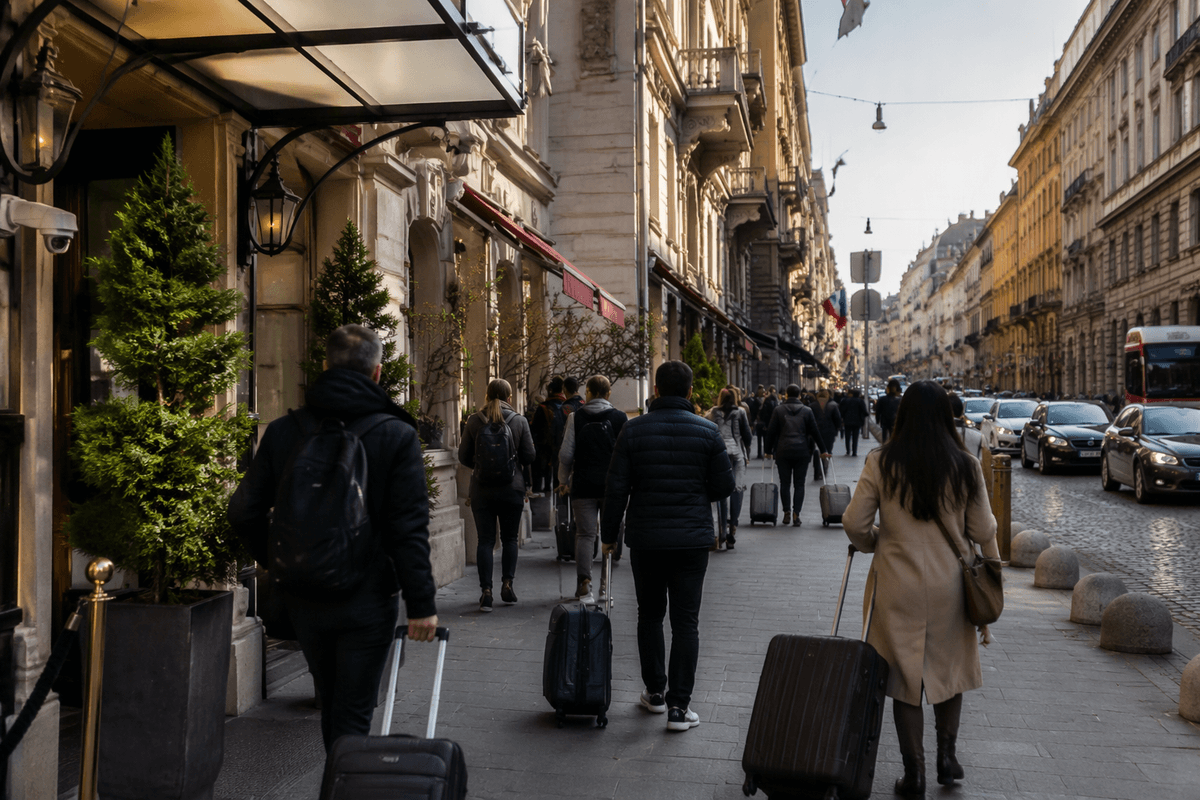
I felt the convenience of Bologna before I even liked it: trains slide in and out with minimal drama, and the station is close enough that you’re not burning half a day on airport-style transfers. That efficiency matters on a 7–10-day trip, because Bologna can be a “base” without feeling like a logistical project—though the flip side is that hotel prices near the center can reflect its hub status.
The day-trip menu is genuinely strong—Modena for balsamic and quick eats, Parma for prosciutto-and-Parmigiano logic, Ravenna for mosaics when you want art without Florence-scale crowds. The catch is pace: if you stack day trips too aggressively, Bologna becomes a place you sleep, not a place you absorb.
Why Bologna Belongs on Your Itinerary
On my last morning, the deciding moment wasn’t a landmark—it was realizing I could fit a real breakfast, an unhurried walk under the porticoes, and one more proper lunch without budgeting half the day for lines or transit. If your Rome-and-Florence plan already feels like a highlight reel, Bologna earns its place by changing the pacing: fewer “musts,” more time actually living inside the city. That’s a meaningful upgrade when you’re traveling with limited days and a moderate budget.
It doesn’t fit every itinerary, though. If your satisfaction comes from major-ticket museums and famous views, Bologna can feel too understated for the added check-in/check-out and the extra hotel night. But if food quality is a top priority—and you’d rather spend effort choosing where to eat than fighting crowds—Bologna is one of the rare stops that pays you back quickly. My realistic takeaway: give it two nights if you can; one night often turns into logistics, while two lets the calm rhythm do its work.